
2026-10-12 · Sarah Jenkins
Spring Termite Swarms in Wilmington Delaware
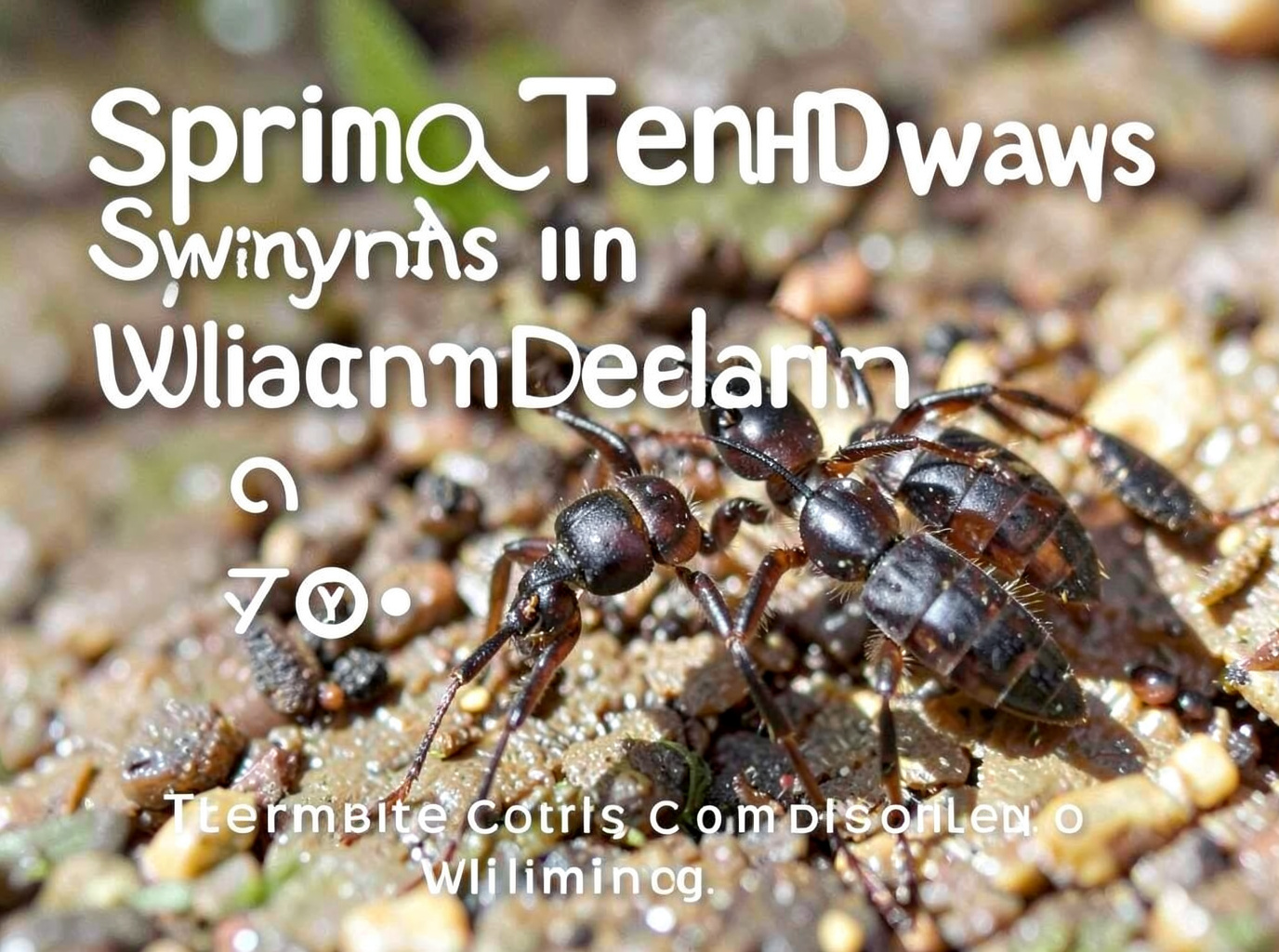
Spring termite swarms in Wilmington, Delaware, typically occur from March through May, though some activity can extend into early June, especially after a mild winter or a sudden spike in temperature. These swarms are a natural part of the termite life cycle, signifying a mature colony is sending out reproductive termites to establish new colonies. For homeowners in areas like Downtown Wilmington, Brandywine, or Forty Acres, spotting these winged insects can be an alarming sign that a termite colony is active either within their home's structure or very close by.
What Triggers a Termite Swarm in Wilmington?
Wilmington's humid subtropical climate, characterized by hot summers and cold winters, plays a significant role in triggering termite swarms. Subterranean termites, the most common type found in New Castle County, are particularly sensitive to environmental conditions. After the ground thaws and spring rains increase soil moisture, coupled with rising ambient temperatures, conditions become ideal for swarmers to emerge. They are often seen on warm, sunny days following a rain event, as the increased humidity and warmth signal the perfect time for them to take flight and find a mate. These conditions are prevalent across neighborhoods like East Side and West Side, making all Wilmington residents susceptible.
The swarmers, also known as alates, are winged reproductive termites whose sole purpose is to reproduce and start new colonies. They are attracted to light, so you might find them near windows, doors, or light fixtures inside your home. While the swarmers themselves don't cause structural damage, their presence is a definitive indicator of an existing infestation that requires immediate attention. It's crucial not to confuse them with flying ants, as misidentification can lead to delayed treatment and more extensive damage.
Identifying Termite Swarmers vs. Flying Ants
Distinguishing between termite swarmers and flying ants is a critical first step for Wilmington homeowners. While both insects have wings and appear around the same time of year, there are key differences. Termite swarmers have two pairs of wings that are equal in size and shape, often appearing translucent and longer than their body. Their bodies are straight and broad-waisted, and their antennae are straight. Flying ants, on the other hand, have two pairs of wings of unequal size (the front pair is larger), pinched waists, and elbowed antennae. Knowing these distinctions can help you determine if you're dealing with a potential termite problem in your home, whether you're in Southbridge or Browntown.
Another tell-tale sign of a termite swarm is the presence of discarded wings. After swarmers find a mate, they shed their wings, which are often found in piles near windowsills, doorways, or spiderwebs. These tiny, delicate wings are a strong indicator of termite activity, even if you don't see the live insects. If you observe any of these signs, it's wise to consider a professional inspection to assess the situation. Our team, based at 1503 Shallcross Ave Ste 2A-7, Wilmington, DE 19806, United States, is well-versed in local termite behavior.
What to Do if You See a Termite Swarm
If you discover a termite swarm in or around your Wilmington property, the most important thing is not to panic, but to act quickly. Do not attempt to spray the swarmers with insecticide, as this will only kill the visible insects without addressing the underlying colony, which remains hidden and continues to cause damage. Instead, carefully collect a few specimens in a small plastic bag or container for identification. This will help a professional confirm the species and tailor an effective treatment plan. For more details on what to look for after the colder months, refer to our article on Checking for Termite Damage After Delaware Winters.
The next crucial step is to contact a local termite control specialist. A professional will conduct a thorough Termite Inspection of your property, both inside and out, to locate the source of the infestation and identify entry points. They will assess the extent of the activity and recommend the most appropriate treatment strategy, which could range from targeted liquid treatments for subterranean termites to baiting systems. Early detection and intervention are key to minimizing potential structural damage to your home, a common concern for the older housing stock found in areas like Highland and Trolley Square.
Preventing Future Termite Swarms and Infestations
While you can't entirely eliminate the risk of termites, especially with Wilmington's climate, there are several preventative measures homeowners can take to make their properties less attractive to these pests. Start by reducing moisture around your foundation: repair leaky pipes, ensure gutters and downspouts direct water away from the house, and maintain proper drainage. Termites are drawn to moisture, so keeping your foundation dry is paramount. This is especially true near the Delaware Riverfront, where moisture levels can be higher.