
2026-10-12 · Sarah Jenkins
Termite Treatment Cost Factors Near Wilmington
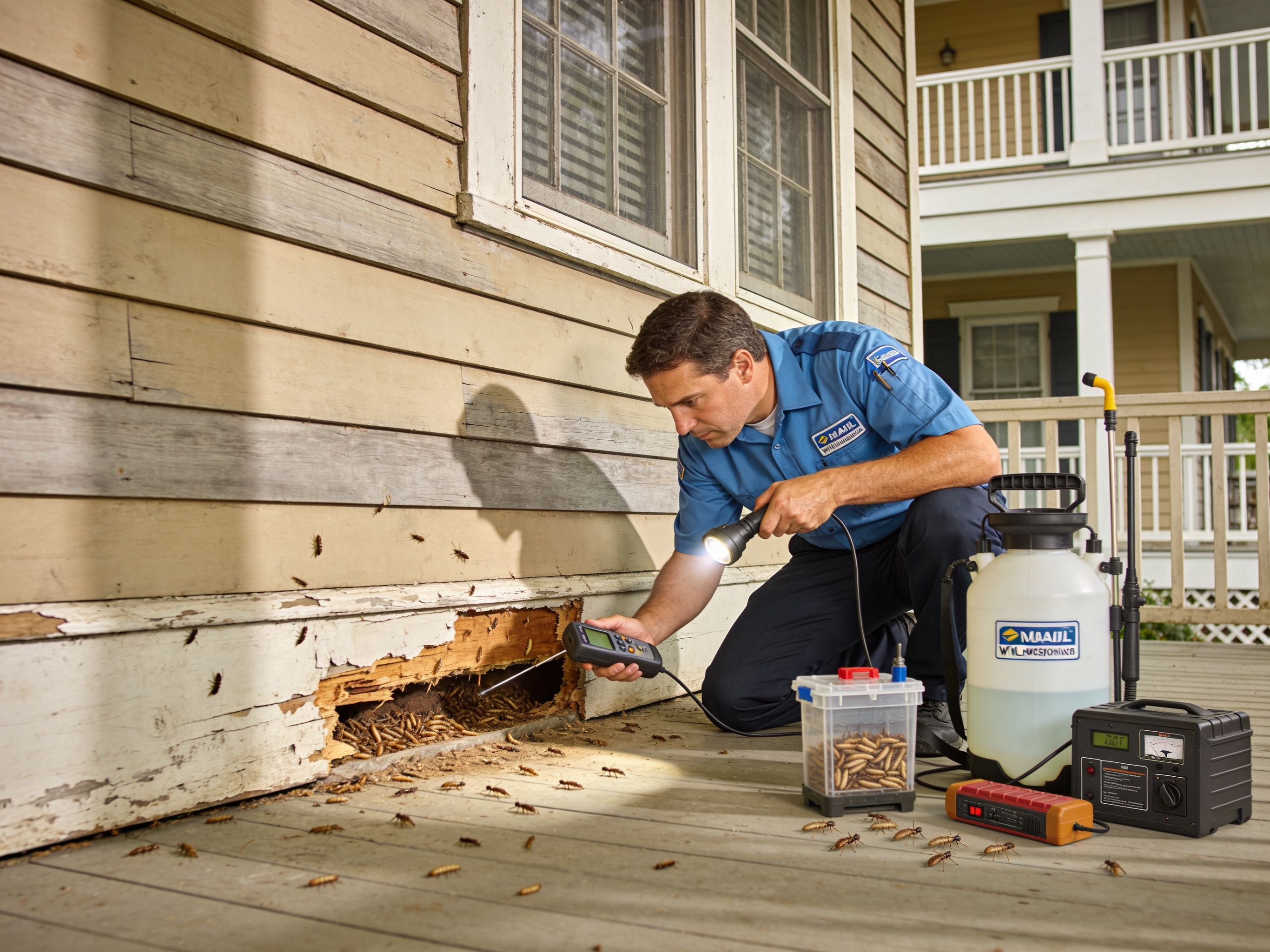
Termite treatment costs in Wilmington, DE, can vary significantly, typically ranging from $400 to $2,500, with more extensive infestations or advanced treatment methods potentially reaching $5,000 or more. This range reflects the diverse conditions found across New Castle County, from the older, historic homes in Downtown Wilmington and Forty Acres to the more modern constructions in areas bordering Newark and Claymont. The final price tag is heavily influenced by the type of termite, the severity and location of the infestation, the size and construction style of your property, and the chosen treatment method. Understanding these factors is crucial for any homeowner facing a potential termite problem in our humid subtropical climate, where hot summers and cold winters create ideal conditions for these pests.
Understanding Termite Species in Wilmington
Wilmington is primarily home to subterranean termites, which are the most common and destructive species in our region. These termites live in colonies underground and build mud tubes to travel between their nests and food sources, which are often the wooden structures of your home. The presence of these mud tubes is a tell-tale sign of an infestation. While less common, drywood termites can also be found, particularly in older, untreated wood. Identifying the specific termite species is the first critical step, as treatment strategies differ significantly. Subterranean termites often require extensive soil treatments or baiting systems, whereas drywood termites might be addressed with localized treatments or fumigation. A thorough Termite Inspection will accurately identify the pest and assess the extent of the damage.
Infestation Severity and Property Size
The severity of the infestation directly impacts treatment cost. A small, localized colony caught early will naturally be less expensive to treat than a widespread, long-standing infestation that has compromised multiple areas of a home. For instance, a minor issue in a shed in Southbridge might only require a spot treatment, while a major infestation affecting the foundation of a large historic property in Brandywine or Trolley Square will demand a much more comprehensive and costly approach. Similarly, the size of your property is a significant factor. Larger homes, especially those with extensive basements or crawl spaces, require more materials, labor, and time to treat effectively. A 1,200-square-foot row home in the East Side will have a different treatment profile and cost than a 3,000-square-foot suburban house near the Delaware Art Museum.
Treatment Methods and Their Costs
Several effective methods are available for termite control, each with its own cost implications. Liquid barrier treatments involve applying a termiticide around the perimeter of your home, creating a protective barrier that termites cannot cross. This is a common and effective method for subterranean termites and can cost anywhere from $800 to $2,500, depending on the size of the home and the product used. For more targeted and environmentally conscious approaches, termite baiting systems are an excellent option. These systems, like the ones we install, involve placing bait stations around your property to attract and eliminate termite colonies over time. A Termite Baiting System can range from $1,500 to $3,500 for initial setup and an ongoing annual monitoring fee of $200 to $500. For localized drywood termite issues, spot treatments or wood injection treatments might be used, typically costing $400 to $1,000 per area. More extensive drywood infestations might necessitate fumigation, which can be considerably more expensive, often $2,500 to $7,000 or more, depending on the structure's size and complexity.
Accessibility and Property Condition
The accessibility of the infested areas plays a crucial role in determining labor costs. If termites are located in easily accessible areas like an exposed foundation in a modern home, treatment will be straightforward. However, if they are hidden within walls, under concrete slabs, or in difficult-to-reach crawl spaces, the treatment process becomes more complex, requiring specialized equipment and more time, thus increasing the cost. Older homes, common in neighborhoods like Browntown or near the Grand Opera House, often have unique construction features or previous renovations that can make termite access challenging. Furthermore, the overall condition of your property, including landscaping, presence of decks, or concrete patios, can affect the ease of treatment application and, consequently, the final price. Sometimes, minor repairs or modifications may be necessary to ensure effective treatment.
Warranty and Follow-Up Services
When considering termite treatment, it's important to inquire about warranties and follow-up services. Many reputable companies, including ours, offer warranties on their termite treatments, typically lasting from 1 to 5 years, which can be renewed annually. This warranty provides peace of mind, covering re-treatment if termites return within the warranty period. While the initial treatment cost covers the primary eradication, ongoing monitoring and preventative measures are often recommended, especially in areas like New Castle County where termites are a persistent threat. These follow-up services, often included with baiting systems or offered as a separate annual service, ensure long-term protection and can help detect new activity before it becomes a major problem. For more insights into seasonal activity, you might find our article on Spring Termite Swarms in Wilmington Delaware helpful.